Expert Warehouse and Industrial Junk Removal for Taylor Manufacturing and Storage Facilities
Taylor's economy has historically centered on manufacturing and light industrial operations, meaning dozens of warehouses, storage facilities, and production buildings contain decades of accumulated junk-everything from rusted machinery to chemical containers and obsolete office equipment. Properties in Taylor's Industrial Park zone and along Northline Road frequently require specialized industrial cleanout because standard residential junk removal cannot safely handle heavy metal equipment, bulk pallets, or materials that may require hazardous waste disposal permits. Downtown Junk Removals holds full Michigan environmental compliance certification and carries $2 million liability insurance, essential for industrial work in Taylor where City ordinances strictly regulate material disposal and require removal documentation for properties formerly used for manufacturing. Older Taylor warehouses built before 1980 often contain asbestos-containing materials and lead paint, conditions our crews identify and handle through licensed contractors before removal begins.
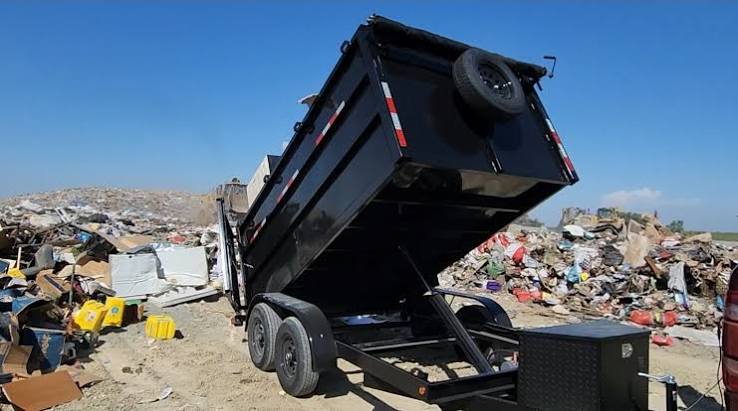
Our warehouse and industrial junk removal process in Taylor typically takes 1-3 days depending on facility size and material complexity, with crews arriving in heavy-duty trucks equipped with hydraulic lifts capable of removing machinery weighing up to 5,000 pounds per piece. We sort recyclable metals (copper, aluminum, steel) from general waste on-site, diverting 60-70% of typical industrial debris away from landfills and reducing your disposal costs by 25-40% through scrap metal revenue. Each Taylor industrial project includes a pre-removal site inspection documenting existing conditions, material photography for insurance purposes, and a written disposal plan detailing where each material category will be processed-critical for businesses protecting themselves against future liability claims. Most warehouse cleanouts in Taylor complete within the quoted timeframe because our crews understand local dump hours, the Troy landfill's capacity constraints, and the fastest routes from Taylor facilities to Michigan recycling processors.